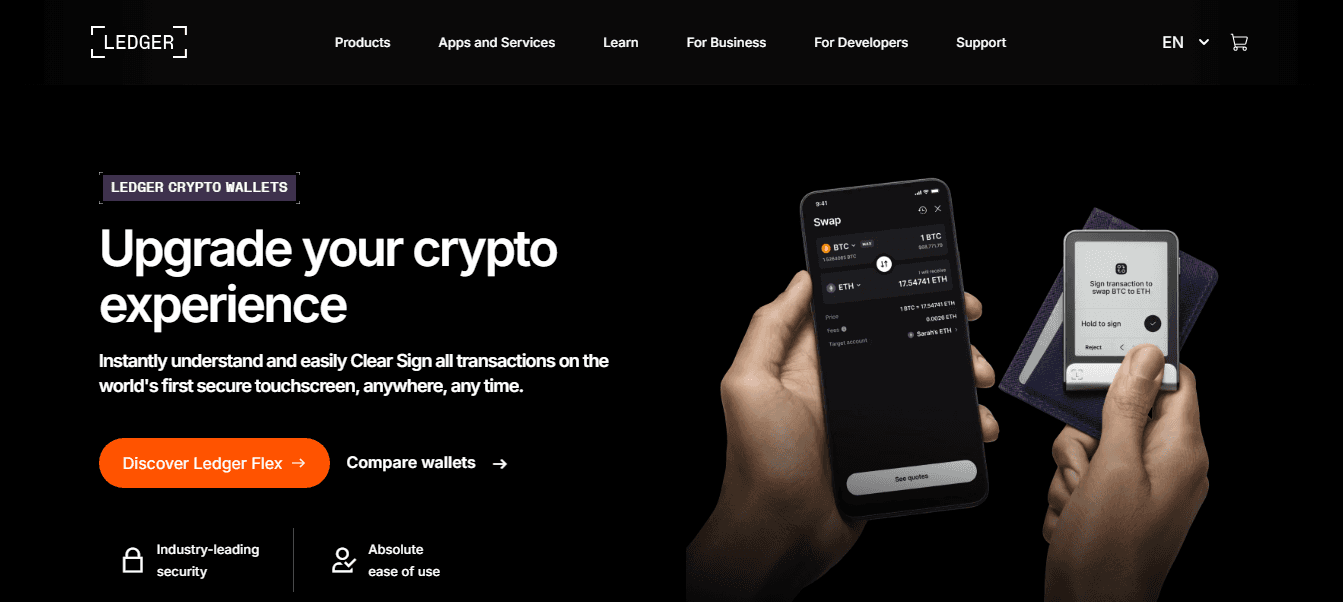
Ledger Login – Comprehensive Guide to Accessing and Securing Your Ledger Wallet
With cryptocurrencies gaining mainstream adoption, securing your digital assets is more important than ever. Ledger hardware wallets provide a trusted solution by keeping private keys offline and protected. The Ledger login process allows you to safely access your wallet via Ledger Live, the official management software.
This guide provides a thorough walkthrough of Ledger login, covering device setup, account access, security protocols, transaction management, troubleshooting, and best practices to ensure your crypto assets remain safe.
What Is Ledger Login?
Ledger login is the official method of connecting your hardware wallet to Ledger Live, enabling you to:
Access cryptocurrency accounts securely
Monitor balances and transactions in real-time
Send and receive digital assets safely
Integrate with DeFi platforms and third-party apps
Swap and stake supported cryptocurrencies
Ledger login ensures that your private keys never leave your device, protecting your assets from online threats.
Why Ledger Login Is Essential
Ledger login is more than just access; it’s a critical security measure for your funds. Benefits include:
Secure Wallet Access: Only you can access the wallet via PIN verification.
Protection Against Unauthorized Transactions: Transactions must be confirmed on-device.
Portfolio Management: Manage multiple cryptocurrencies and accounts securely.
Integration with Ledger Live: Provides portfolio tracking, swaps, staking, and analytics.
Following the official Ledger login process ensures maximum security and peace of mind.
Compatible Devices
Ledger login supports all Ledger hardware wallets:
Ledger Nano S: Entry-level wallet offering essential security for beginners and most crypto users.
Ledger Nano X: Advanced wallet with Bluetooth connectivity, mobile support, and larger storage for multiple accounts.
Ledger Live provides tailored instructions for each device to guarantee smooth and secure login.
Step 1: Prepare Your Ledger Wallet
Before logging in, your Ledger device must be set up:
Inspect the packaging to confirm authenticity and check for tampering.
Connect your Ledger wallet to a computer or mobile device.
Initialize the device by following on-screen prompts.
Set a secure PIN code.
Record your 24-word recovery phrase and store it offline in a secure location.
These steps ensure safe access and recovery options if your device is lost or damaged.
Step 2: Install Ledger Live
Ledger Live is the official management software for your wallet:
Download Ledger Live from the official Ledger website for your platform (Windows, macOS, Linux, Android, iOS).
Follow installation prompts to install Ledger Live on your device.
Launch Ledger Live to begin the login process.
Downloading Ledger Live from official sources prevents phishing and malicious software attacks.
Step 3: Connect Your Ledger Device
Open Ledger Live.
Connect your Ledger Nano S or Nano X via USB (or Bluetooth for Nano X).
Enter your PIN on the device to unlock it.
Ledger Live will detect your device and prompt for authentication.
All sensitive operations are confirmed on the device, keeping private keys offline.
Step 4: Device Authentication
Ledger Live validates the device during login:
Check the firmware version on your Ledger device.
If required, update firmware following instructions on both Ledger Live and the device.
Confirm actions on your device screen to complete authentication.
Device confirmation protects against malware or unauthorized access attempts.
Step 5: Access Your Accounts
After login:
Ledger Live displays all cryptocurrency accounts associated with your device.
You can add accounts for supported coins using “Add Account.”
Monitor account balances, transaction history, and portfolio performance.
Ledger login provides a secure central hub for managing multiple cryptocurrencies.
Step 6: Sending Cryptocurrency
To send funds safely:
Select the account to send from.
Enter the recipient address and transaction amount.
Confirm all transaction details in Ledger Live.
Approve the transaction on your Ledger device.
Device verification ensures transactions cannot be altered by malware.
Step 7: Receiving Cryptocurrency
To receive funds:
Generate a receiving address from Ledger Live.
Verify the address on your Ledger device.
Share the verified address with the sender.
Always confirm the address directly on the device to prevent fraud.
Step 8: Manage Multiple Accounts
Ledger supports multiple accounts per cryptocurrency:
Add accounts for Bitcoin, Ethereum, Litecoin, and other supported coins.
Rename accounts for organization.
Track transactions and balances across all accounts.
Ledger login allows centralized management while keeping assets secure.
Step 9: Security Features
Ledger login incorporates multiple security layers:
Offline key storage: Private keys never leave the device.
PIN code protection: Blocks unauthorized access.
Firmware verification: Ensures device integrity.
On-device transaction confirmation: All actions require physical approval.
These features make Ledger one of the most secure cryptocurrency solutions.
Step 10: Backup and Recovery
Backing up your wallet is critical:
Store your 24-word recovery phrase offline.
Keep it in a secure, fireproof, and waterproof location.
Use the recovery phrase to restore your wallet if the device is lost, damaged, or stolen.
Never store recovery phrases digitally or online to avoid theft.
Step 11: Troubleshooting Ledger Login
Common login issues:
Device not detected: Try a different USB port, cable, or restart Ledger Live.
Incorrect PIN entries: Too many attempts temporarily lock the device.
Firmware update problems: Ensure firmware is updated via Ledger Live.
Following official instructions ensures a smooth login experience.
Step 12: Advanced Features After Login
Once logged in:
Connect to third-party wallets and DeFi apps.
Swap and buy cryptocurrencies within Ledger Live.
Stake supported coins to earn rewards.
Manage multiple Ledger devices in one interface.
Advanced features enhance usability without compromising security.
Step 13: Ledger vs Exchange Wallets
Ledger wallets provide self-custody benefits:
Private keys remain offline and secure.
Funds cannot be frozen by exchanges.
Users retain complete control over assets.
Wallet activity is private and secure.
Ledger login ensures full ownership and security of your cryptocurrency.
Step 14: Ideal Users
Ledger login is perfect for:
Beginners with their first hardware wallet.
Experienced investors managing multiple accounts.
Long-term holders storing large cryptocurrency amounts.
Users seeking offline storage and self-custody.
The process is suitable for both novice and advanced users.
Step 15: Best Practices
To maximize security:
Download Ledger Live only from the official website.
Confirm addresses on the device before sending or receiving funds.
Keep PINs and recovery phrases secure and offline.
Avoid public or shared computers for login.
Update device firmware regularly.
Adhering to best practices ensures that assets remain safe and secure.
Step 16: Conclusion
Ledger login is the gateway to securely managing your Ledger hardware wallet. By following proper procedures:
Access cryptocurrency accounts securely.
Protect funds with PINs and recovery phrases.
Send, receive, and monitor multiple assets.
Use advanced features like staking, swaps, and DeFi.
Correctly following Ledger login steps ensures maximum security, control, and confidence over your digital assets.